
Drafting a Classroom Inclusion Charter
Aim
To draft a classroom charter that lists the rights every student should enjoy, the matching duties, and commitments that make sure everyone is included and no one faces discrimination.
Apparatus
- Chart paper
- Sketch pens or markers
- Sticky notes
- The equality-versus-equity illustration and the list of Fundamental Duties from the chapter
Procedure
- Pick a right every student should enjoy in class, e.g. the right to be heard.
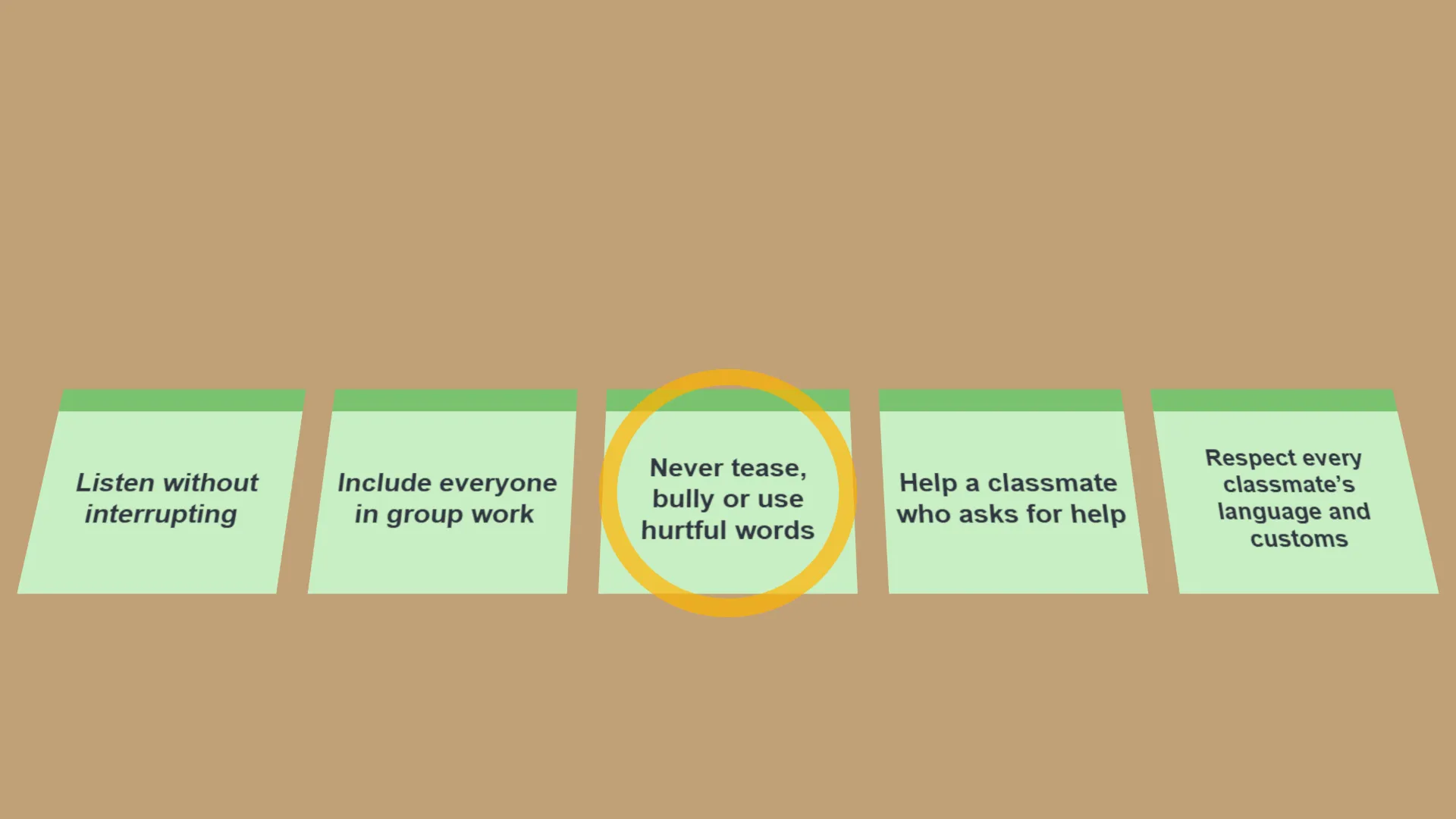
- Choose the matching duty classmates must fulfil, e.g. listen without interrupting.
- Choose a commitment that gives each classmate the support they need (equity).
- Record the table, then copy it onto one chart in three sections.
- Present the charter, settle differences by discussion and agree on one class charter.
- Every student signs the charter, and it is displayed in the classroom.
Interactive 3D Experiment
Loading simulation…
What to observe
- Every right in the classroom comes with a duty that protects it.
- Equality gives everyone the same support; equity gives each person the support they need.
- The charter shown is an example; your class will write its own.
Notes
- Inclusion is more than equality: equity means giving each person the support they need, like a ramp for a wheelchair user or reading material in a regional language.
- The charter should reflect the whole group's agreement, not one student's views.
- Keep the language positive and free of any hurtful or excluding words.